Here is where we will be posting updates about the ballet world, or random articles about dance/piano! We will update this section regularly, so keep an eye out in case we post an article you've been having questions about! ;)
Character Dances & It's Origin
Part 3 - Polish
Well hello fellow dancers! It's been a good long while since we've posted anything in our website, and although it is a meek excuse, the admin as well as the teachers have been having a rather busy month. So without further ado, here's part 3!
Polish Folk Dances
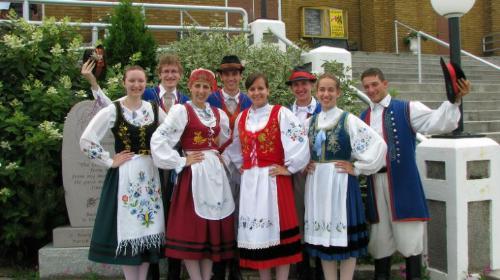
Polish folk dances tend to be lively, energetic, and joyful. Hops, twirls, and athletic movements are common. Many dances involve a circle. Clothing is usually colorful. In addition, women often wear coral necklaces, particularly red ones. They also decorate their hair with flowers or ribbons. In some regions, women may wear a hat or a loose headscarf. These are sometimes adorned with flowers or ribbons. Mens' hats may also feature decorations, particularly in southern regions. The Polish national dances are the Krakowiak, Kujawiak, Mazurek, Oberek, and Polonaise.
Some other dances in Poland include:
- cenar
- chmielowy
- dżek
- goniony
- kaczok
- kołomajka
- korkowy
- kosyder
- Krakowiak
- krzesany
- Kujawiak
- lasowiak
- Mazurka (Mazur)
- Oberek (also known as Obertas, Ober)
- olender
- Chodzony (also known as Polonez, Polonaise)
- ryz dwa (Kashubians)
- szot
- Trojak (Silesians)
- zbójnicki (from Podhale)
To learn more about the dances and watch videos of the different kinds of Polish national dances as mentioned above, click here!
Polish Folk Costumes in Different Regions of Poland - Past & Present
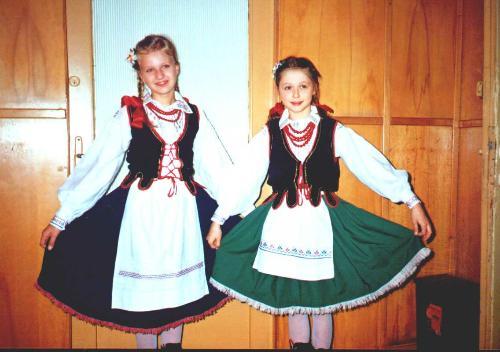
Every Polish region has its own folk traditions and costumes. The most popular Polish folk costumes are from Krakow - Bronowice, people in all regions in Poland would be able to recognize it. Other popular costumes are from Lowicz near Warsaw and also from Tatry Mountain area - especially Podhale. The most popular costumes for men are these from Krakow - Bronowice and also from Podhale.
Now a bit about the history of the Polish folk costumes: Folk costumes were the most trendy in the second half of XIX century when cheap and massively produced fabrics become available. Besides, peasants were not serfs anymore and their economical and political status improved, so they could afford to buy more and they wanted to show their pride by wearing traditional costumes.
Girls in Zamosc folk costumes at the photo on the right. Click inside the picture to magnify. Some costumes became more popular than others because of a surge in patriotic feelings in XIX century after Poland lost independence. For instance, Krakow's costumes became a symbol of the fight for national freedom since peasants from Krakow region took part in theKosciuszko insurrection (uprising) for freedom of Poland in 1794. We were writing about Kosciuszko insurection in the article Poniatowski in Defense of Polish Independence, II.
Quite a big number of peasants were among these who were fighting for independence. Polish peasants were called "kosynierzy" (scythebearers) since they were fighting with scythes ("kosa" = scythe). In famous Battle of Raclawice - won by Poles over Russians, some were wearing characteristic Krakow's folk costumes. In effect, folk costume from Kraków's area became a national costume.
Do people still wear regional costumes in Poland?
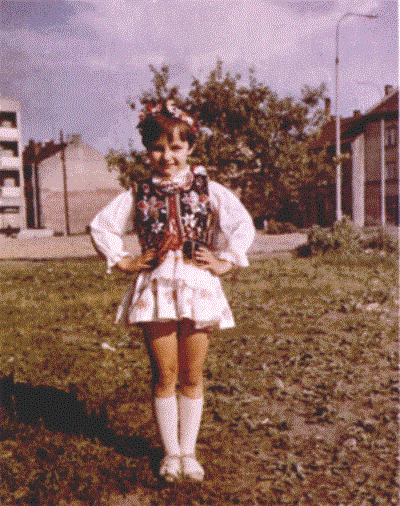
Not really but there are some exceptions. People in the country still wear folk costumes, in some regions more than in the other. They wear it only on special occasions - Sunday church, church processions, village feasts and weddings. Mountainers (gorale) from Tatra region, especially men, wear folk costumes on a daily basis, especially if they want to attract tourists to their business.
If you want to know more about the Polish Highlanders in their Folk Costumes, click here to see pictures galore of the Trailing of the Sheep Festival on October 12-14, 2007 in Idaho - Hailey - Ketchum - Sun Valley!
For info about Polish dances and their music, click here!
Original articles from: Wikipedia, culture.polishsite.us, and wilno.org.
Character Dances & It's Origin
Part 2 - Russian
Russian Folk Dances
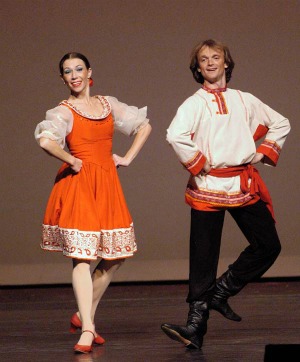
List of the popular types of Folk Dances from Russia:
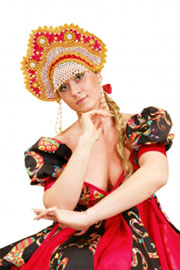
- Khorovod
- Barynya
- Kamarinskaya
- Chechotka
- Karelian Dance
- Komi Dance
- Ingush Dance
- Chechen Dance
- Tatar Dance
- Bashkir Dance
- Chuvash Dance
- Kalmyk Dance
Compassion in the Russian folk dance and the Russian Folk Music
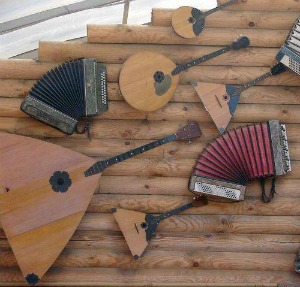
Russian Classical Ballet and Modern Dance
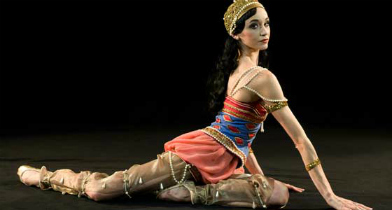
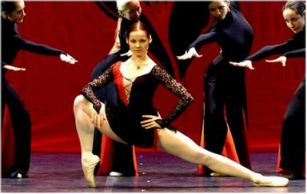
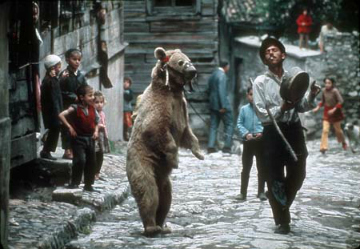
Dancing With Bears
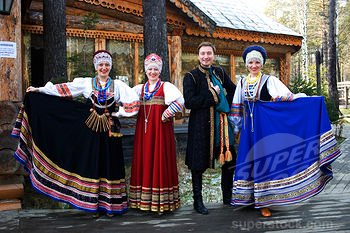
Folk Dance Clothing
First Dance Troup
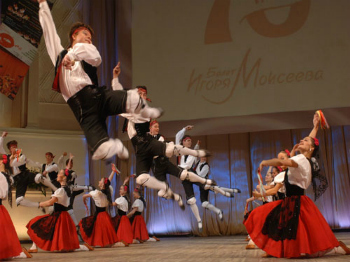
Moiseyev Dance Company
Character Dances & It's Origin
Part 1 - Hungarian Peasant
Previously, we've written about the types of Character dances in RAD ballet here. This time, we will be delving further into the origins of the inspiration for the chosen origin in the Character dances of the Royal Academy of Dance syllabi, and the newly added Ukranian style. We will explain each style in detail for each consecutive weeks; starting today, with the Hungarian Peasant.
The Meaning of Peasantry
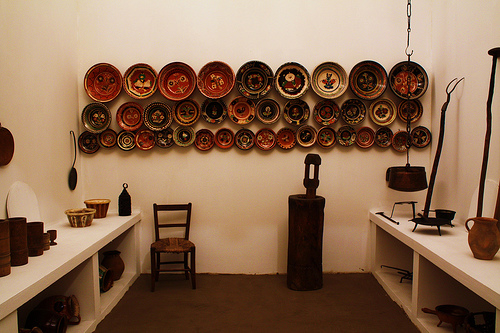
Evolution and Changes within the Peasantry
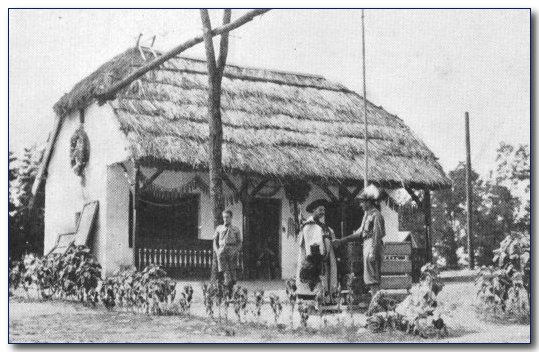
Hungarian Peasantry
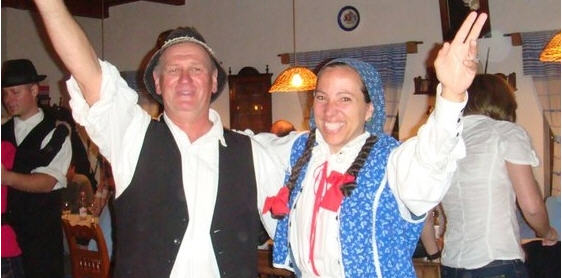
Peasants in Today's Hungarian Society
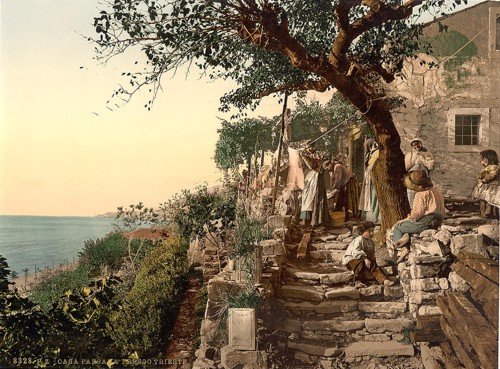
Small Peasants
Peasant Workers
The Peasantry in Today's Society
How To Stretch?
Keeping Dancers Dancing: “Help I Have An Injury – What Do I Do?”
by Jan Dunn, MS
So you have a dance injury? What do you do….????
- First off, you have to be sure you recognize that it IS an injury….i.e, knowing the difference between “good” and “bad” pain. This may sound like first-grade language (it is), but it’s the easiest way to understanding the signals your body may be giving you:
-“good” pain is the discomfort we feel when we are doing a new activity our body is not used to, like taking a jazz dance class for the very first time, when all your training has been ballet. It’s the normal response of our muscles / joints to the new movements, and is characterized by:
-a dull aching discomfort (not what we usually call ‘pain”) which is wide-spread through the body area you were using in a new way. For example, in a jazz class you use the ribs / pelvis in very specific non-balletic movements, and the next day you may feel over-all sore in those areas.
-“bad” pain is when your body is saying very clearly “STOP! I am HURT!”, and is characterized by:
-pain in a very specific place, much more localized than the discomfort described above. It may be in that one spot constantly, or only when you use the body part / joint in a specific way. It is usually a sharper type of pain than the “good”kind, but the key point is that it’s NOT wide-spread, but much more in one place.
2. Ok, so you’ve recognized that you have a “bad” pain, an injury —what do you do? The very first step is often abbreviated as PRICED (we used to say “RICE”, but you’ll see below where the “P” is now added in:
-P = Protection: Protect the injured area from additional harm. Stop dancing, and remove yourself to the side of the studio.
-R = Rest the injured area —-don’t dance on it! This is HARD for dancers to do, but so necessary, to aid in the healing process.
-I = Ice. NEVER heat in the first stages (the “acute” phase) of an injury. Ice helps to decrease the swelling, which helps to decrease the pain, and helps speed up the healing process. Heat early on can actually be detrimental to the injured area, increasing the swelling and slowing down the healing time. Points to remember when using ice are:
-on soft tissue (muscles), recommendations vary, but a good suggestion is either 20 min. every two hours, or 8-10 minutes every hour. A good guideline is to ice until the area feels numb to the touch.
-on bony areas, like ankle / elbow, usually about 5 minutes –or again, until it is numb.
-If the ice pack does not have a built-in fabric or protective coating (many do), be sure to put a lightweight cloth between you and the ice —i.e, never directly on your skin (it can cause an “ice burn”).
-C =Compression, usually with an Ace wrap. This is most useful with a limb injury, although ribs / hips can also wrapped. The pressure from the bandage / wrap helps to decrease the swelling and to speed up the healing process. An important side note regarding Ace bandages that are pre-shaped for the knee / ankle, etc.:
These are designed for compression, not for support. Dancers often put these on thinking it will offer support for a “bad” knee / sprained ankle, etc. It doesn’t; if you have an injury which needs support, it needs to be professionally taped (with athletic tape). The elastic knee / ankle variety are useful for compression only.
-E = Elevation. This is for limb injuries, and the idea to is elevate the leg / arm above heart level. This slows down the swelling, and helps the healing process.
-D = Diagnosis by a medical professional, if called for (see below).
Have you noticed a couple of common factors here? 1) decrease swelling, and 2) aid in the healing process, are the two main things you may picked out. The physiology of injuries / healing is complex and we won’t go into that —but the main thing to remember is that you want to keep the swelling down, because that will help overall for the injury to get better faster.
3. Your next question might well be: When do I seek professional medical help? Here are some guidelines:
Any acute injury should be looked at by a professional, especially if it involves:
-immediate swelling or bruising
-joint pain such as in knee / ankle
-significant pain
-loss of function / inability to bear weight
-neurological symptoms / change of mental status
-obvious deformity
-uncontrolled bleeding
-no obvious improvement after 48 to 72 hours of doing the PRICE therapy
Other guidelines for when to seek medical help are:
-swelling that comes and goes with activity, even if there is no pain
-sharp pain that comes and goes with specific activity
-any injury that is being properly cared for (PRICED) and is not improving after a weeks’ time, or is getting worse.
4. Ok, so you know you need to see a medical professional – your next question is an important one: Who do I go to ??? Here are some recommendations:
-your first choice should be someone who works with dancers / is familiar with dance, whether this is an MD, PT, DC, or another healthcare practitioner. An MD who is a Physiatrist (listed as Physical Medicine and Rehabilitation in phone directories) is often a good choice – these are non-surgical musculoskeletal specialists.
Most major US cities now have dance medicine practitioners; some examples:
-Harkness Center for Dance Injuries (New York City)
-Westside Dance Physical Therapy (New York City)
-Cedars Sinai / USC Dance Medicine Center (Los Angeles)
-Denver Dance Medicine Associates (Denver / Boulder, CO)
These are just a few examples; there are many individual practitioners as well, in addition to groups such as those listed above. Many dancers and teachers are members of IADMS, which has been mentioned before in this column – the International Association for Dance Medicine and Science. Becoming a member enables you to access the on-line membership list, where hundreds of dance medicine medical specialists are listed. Other benefits of membership include access to discussion forums, and a subscription to the Journal of Dance Medicine and Science, as well as discounted conference fees.
-If you are unable to find a dance medicine specialist in your area, your next best choice would be a sports medicine practitioner, who would be familiar with athletes (and dancers are high level athletes!)
And in conclusion:
An important piece to remember about being injured / seeking help:
Resting the injured body part is clearly crucial to a fast recovery and return to full-out dancing. That DOESN’T mean that you automatically rest the whole body and do nothing for six weeks, while your sprained ankle is getting better. Keep everything else in good shape! Otherwise you are setting yourself up to injure something else, when you return to dance. You can do so much during the healing period, such as:
-limited class work, depending on the injury / what is recommended medically
-floor barre (a GREAT way to stay in shape while non-bearing weight)
-Pilates (also terrific for injured dancers — and non injured!)
There are of course more ways to keep in shape than just those listed above, but whatever you choose – DO IT !
So – now you hopefully have more information on “Help! What do I do now?” than you did at the start of this article. Till next month — keep dancing (safely!)!!
PS: IADMS has an excellent Resource Paper on First Aid for Dancers, available on line at www.iadms.org
BIO: Jan Dunn is a dance medicine / Pilates / Franklin Method specialist based in Denver / Boulder, CO, and Los Angeles, CA. She is Co-Director of Denver Dance Medicine Associates, and Adjunct Professor, University of Colorado – Boulder, Dept. of Theatre and Dance. She has been active in Dance Medicine since 1984. Previously she was Coordinator of The Dance Wellness Lab, Dept. of Theater & Dance, Loyola Marymount University, Los Angeles, CA , and has held dance faculty positions at Connecticut College, Florida State University, Hartford Ballet, Washington Ballet, and Colorado Ballet. She has been active with the International Association of Dance Medicine and Science (IADMS) for 22 years, serving as Board member, President, and Executive Director. Jan was Associate Dean / Workshop Coordinator at the American Dance Festival 1983 – 1991, originated The Dance Medicine/Science Resource Guide; and was co-founder of the Journal of Dance Medicine & Science. She has taught dance medicine, Pilates, and Franklin workshops worldwide, has published numerous articles, and presented at many US / international conferences.
Original article: Keeping Dancers Dancing: “Help I Have An Injury – What Do I Do?” @ 4dancers.org
* Also, you may want to check out the contents in their Dancer's Wellness section. It contains A LOT of useful information about dance injuries!
** If you're looking about info on Pointes, go to their Pointe Shoes section.
Do you happen to be an adult who is thinking about taking up dance? A parent of a dancer, maybe, who wishes to share the joy of dancing and be able to give your child some hands-on experience? Well here are some tips for you out there who is thinking of dancing your way in life!
Tips For Adults Taking Dance Classes
There are many reasons to continue, or begin, taking dance classes as an adult. Whether your studio has adult-specific classes, or you will be included in student classes at your ability level, many studios offer excellent options for adult dancers.
Goal-Setting for Adult Dancers
Setting specific and measurable goals will help you get the most out of your classes. Your goal could be to perform in the studio’s summer recital, lose 10 pounds in the next two months, or be able to touch your toes. Goals that are specific, measurable, and have a timeframe associated with them are easy to track and achieve.
Writing down your goals before classes begin, or talking them over with your instructor, will help you stick to them. Your instructors will want you to be happy in class, and working toward a goal will help both of you keep your focus. It is a good idea to revisit your goal throughout the season, to make sure you are on track.
If you haven’t taken a dance class in a few years, or you have never exercised to this level, you will probably experience sore muscles at first. Your body will need time to adjust to the new activity. Muscles can be iced for 20 minutes on and 20 minutes off after class to help with inflammation. If you find you are not stretched enough after the class warm-up, you may want to begin stretching at home before class to give yourself better muscle control. Over time, you will experience less fatigue after your body adjusts. Always see a doctor if you experience persistent or serious pain or injury.
Adjusting to Dancing with Younger Students
It is possible that the studio you choose may not have adult-specific classes. In these cases, they may allow you to take classes with their students, and they will match you with a class that shares your ability and experience levels.
When taking classes with younger students, you should try to pay attention to your body’s limitations. While the students may be able to stretch for longer periods of time, repeat floor work combinations over and over, or remember and pick up steps more easily, you must know when you need to stop, take a break, or modify a movement. This will not only help you to avoid injury, but will prevent against burnout. It is a good idea to tell your teacher ahead of time if there is anything that may prevent you from dancing “full out” with the rest of the class, such as a previous injury or exercise advice from your doctor.
If you feel that you are not up to the level of the students in your class, set up a meeting outside of class with the instructor and voice your concerns. He or she may feel that you are well-matched with the students and may ask you to give it some more time, or he or she may give you some different options of classes you can take instead. It is important to keep the lines of communication open between yourself and your instructors.
Communicating with Your Instructors
It is important to communicate openly with your instructors. Not only should you let them know of any limitations you may have, but you can also discuss your goals, your dance background, and your reasons for taking classes. Remember that your instructors are there to help you learn and to meet your dance and fitness goals. They can be great coaches and mentors in your journey.
Enjoy the Journey
Whether your adult dance experience is a new journey or the continuation of a lifelong love for dance, remember to take time to enjoy the experience and revel in the art form. Dance is a wonderful outlet for creativity as it challenges both the body and the mind in a beautiful expression of movement. Let your wings soar and have fun sharing dance with others in your class.
Original article: Tips for Adults Taking Dance Classes @ blog.allaboutdance.com
The Types of Character Dances in RAD.
There are 3 main sections of an RAD syllabus Ballet. They are: Classical, Free Movement, & Character. Here, we will talk about the different Character styles. They are:
- The Hungarian Peasant
- Russian
- Polish
1. Hungarian Peasant
Hungarian Peasant style is used for younger children as the dance movements are based on simple basic steps of walks and runs. Rhythmical patterns have deliberately been kept simple and uncomplicated to ensure clarity of aural and physical development.
A
general description and visual illustrations help children contextualize the
style of dancing. Hungarian costume is designed to move with the dancers.
Costumes vary from region to region for:
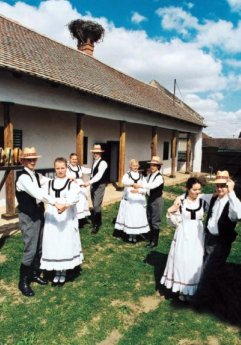
Ladies: are very full skirts, either finely pleated or gathered, over as many as eight white petticoats. Blouses of differing styles, with long or short sleeves, with or without embroidery help to encourage poise and hold of arms and hands on the waist. Ladies often use silk handkerchiefs or hats decorated with flowers, feathers or ribbons which are taken off and replaced as part of the dance. Shoes with heels or boots are worn.
Gentlemen: have two traditional costumes. Either tight fitting trousers or skirt-like wide linen breeches with large sleeved shirts and richly embroidered waistcoats. Often the men wear hats and heeled boots, with spurs.
2. Russian
With the richness and diversity of folk style, the steps, dance and music in the Russian style are selected mainly from the region of Belarus 2. This is an area that is influenced more by Europe than Asia. It is sometimes referred to as ‘white Russia’.
The steps danced in Russian style are more demanding than those of the Hungarian Peasant style. They require strength throughout the body, an ability to make strong use of the knees, often with the performance of steps danced with relaxed knees, and an ability to use combination of parallel and natural use of first position. Many steps need to show movement that travels along rather than that of elevation.
Costumes are based on the traditional costumes of the Belarus.
Ladies: wear colourful skirts, usually in red and white which either are pleated or gathered and richly embroidered. A white flaxen blouse with embroidered sleeves strongly contrasts with the bright colours of the skirt. A tight fitting bodice finishes below the waist line.
Gentlemen: The gentlemen’s costume is more restrained. A white shirt decorated with geometrical needlework on the collar and cuffs with linen trousers, and a girdle. The girdle is rich in patterns, colours and forms often twisted and woven, narrow or wide with fringe or tassels.
3. Polish
Polish Court style is introduced in Grade 5. With an emerging theatrical flavor is introduced in readiness for the greater challenges of the Higher Grades.
The RAD’s Polish Court style is derived from classical technique and requires the use of turn out, and an elegant soft port de bras. The steps require a sound technique with good co-ordination of upper body, arms and leg action. The position of the hands is on the hips, low, with clenched fists.
Costume: there are numerous regional costumes in Poland, but the most popular Polish folk costumes are from Krakow-Bronowice, and the mountainous region of Podhale.
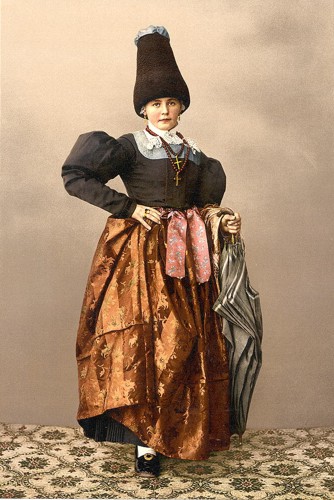
Ladies: wear very full skirts with a long sleeved blouse and a bodice or jacket. Colours are bright reds and blues, with finely decorated braids, strings, lace, buttons, beads and embroidery. Heeled shoes and boots are usually worn.
Gentlemen: wear white linen shirts kept in place at the waist by a narrow leather belt. The waistcoat, either with or without sleeves was worn over the top. Trousers were usually woolen and often tucked into boots.
Hello lovelies!
Hello Budding Dancers!
Adult Ballet
The Benefits of Ballet Lessons for Adults

Healthy Mind, Healthy Body, Healthy Teacher

1. Get enough sleep. The amount of sleep a person needs is very individual, so make sure you get enough for your body.
2. Drink enough water. Three liters a day is recommended for an active person.
3. To maintain high energy output, eat nutritious food and snacks throughout the day.
4. Avoid the quick fixes that caffeine and sugar provide.
5. Make sure you are at a fitness level that is appropriate for the job you are asking your body to do. If you don’t feel confident demonstrating that grand allégro combination full-out, don’t.
6. Choose aerobic fitness that is low-impact, like swimming or using an elliptical trainer. Maintaining a constant level of aerobic fitness gives your body better stamina.
7. Cross-train with a fitness professional or body-conditioning coach. Having an outside eye on you on a regular basis helps to keep imbalances from developing.
8. Study something new related to your area of dance work, like a new teacher training or a new exercise technique. Keeping your brain curious and active helps you stay creative as a teacher.
9. Develop hobbies outside your field. Dance is an all-consuming profession, but having other interests can help prevent burnout and reduce stress. Being too stressed yourself will stress out your students.
10. Recognize when you are becoming overwhelmed and develop healthy resources for reducing that stress, like getting outdoors, reading, massage, meditation, regular time off or a pet.
Illustration by Emily Giacalone
Rethinking Stretching
By dvogel

The new best way to warm up for class
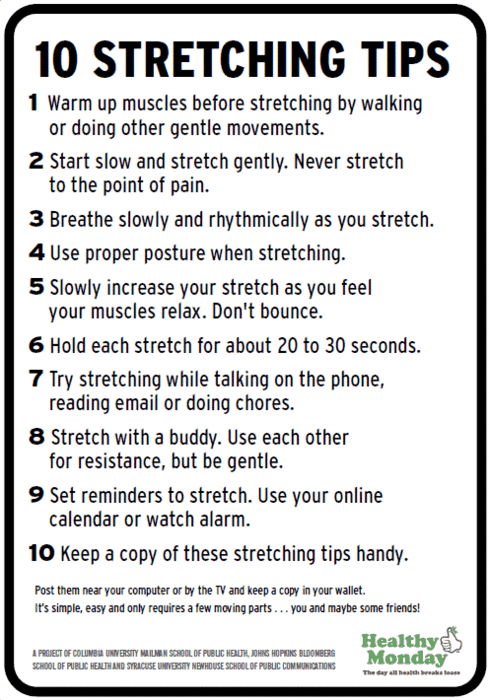
Dancers know that warming up before class will physically prepare their bodies for the work ahead. But are they practicing the most effective methods? Pop into your next class a few minutes early and observe the number of students passively stretching on the floor in second position with their feet on the barre or reaching down to touch their toes for 20 to 30 seconds. According to a recent study by Dr. Bill Holcomb, associate professor of athletic training education at the University of Nevada, Las Vegas, passive (or static) exercises are better suited for the cool-down portion of class, because they weaken muscles after stretching. Therefore, helping students revise their warm-up routine to include more dynamic movements will increase their flexibility and range of motion before class and decrease the potential for injuries during activity.
Dynamic stretches, or whole-body exercises, raise the body’s temperature, loosen muscles, lubricate joints and wake up the nervous system for better feedback. They also improve coordination because they require dancers to focus on controlling the stretch, while moving their entire body and maintaining a steady balance. (Think: leg swings, arm circles, ankle circles.) But before zoning in on working specific parts of the body, encourage students to do 5 to 10 minutes of jumping jacks, skipping or a light jog around the studio to increase their heart rates. Then, lead them into a 10- to 15-minute workout packed with dynamic stretches. Below you’ll find three examples of whole-body exercises to get students’ warm-up routines headed in the right direction.
Forward Leg Swing
In a relaxed front battement, students swing one leg forward while keeping the elevated foot flexed and opposite arm parallel for balance. Make sure students also keep the adjacent leg straight, not bent, for proper stretching. Next, drop the raised leg into a forward (or runner’s) lunge. Alternate between legs, doing eight repetitions on each side. This exercise will target both the hamstrings and the hip flexors.
The Walk-Up
To increase arm strength as well as leg flexibility, have students start in a push-up position and walk their feet in towards the hands. Make sure the legs are kept straight and encourage students to stop once they feel any tightening. Walk the hands out to return to the push-up position, and repeat this stretch three to five times. Students will need space to complete this exercise.
Inner Thigh Stretch
Students start this exercise in parallel position. Then, they bend and step one leg into a wide yet comfortable second position like a side lunge, to nicely stretch the inside of the adjacent leg. Keep the opposite leg straight before switching legs and shifting to the other side. Repeat three to four times on each leg.
Easy Does It
Students will often stress concern about not feeling effects from stretching. So what is a teacher to do? First, discourage them from stretching longer and harder—this will lead to strained muscles—and advise dancers to reset their tension levels by exploring smaller movements. Here’s one way to help dancers determine the proper amount of force:
Have students sit on the floor with legs stretched out in front. While flexing the feet, tell them to decide which calf muscle feels tighter. They should slowly flex and extend this ankle—a few inches in each direction is plenty. If students feel a strong pulling sensation in any area, instruct them to immediately reduce the pressure. Using visualizations like oiling the joint or melting muscle tension like butter may help some dancers find the proper amount of force. Repeat 10 more times before fully flexing both feet. DT
Neuromuscular educator Deborah Vogel co-founded NYC’s Center for Dance Medicine and writes the Dancing Smart newsletter at www.thebodyseries.com.
Photo of inner thigh stretch modeled by Ashley Rivers, by Emily Giacalone.
Original article: Rethingking Stretching @ dance-teacher.com
